Greenfield-Central High School is celebrating a 95.5% graduation rate, the highest in two decades.
The upward trend is a team effort to help students reach their full potential.
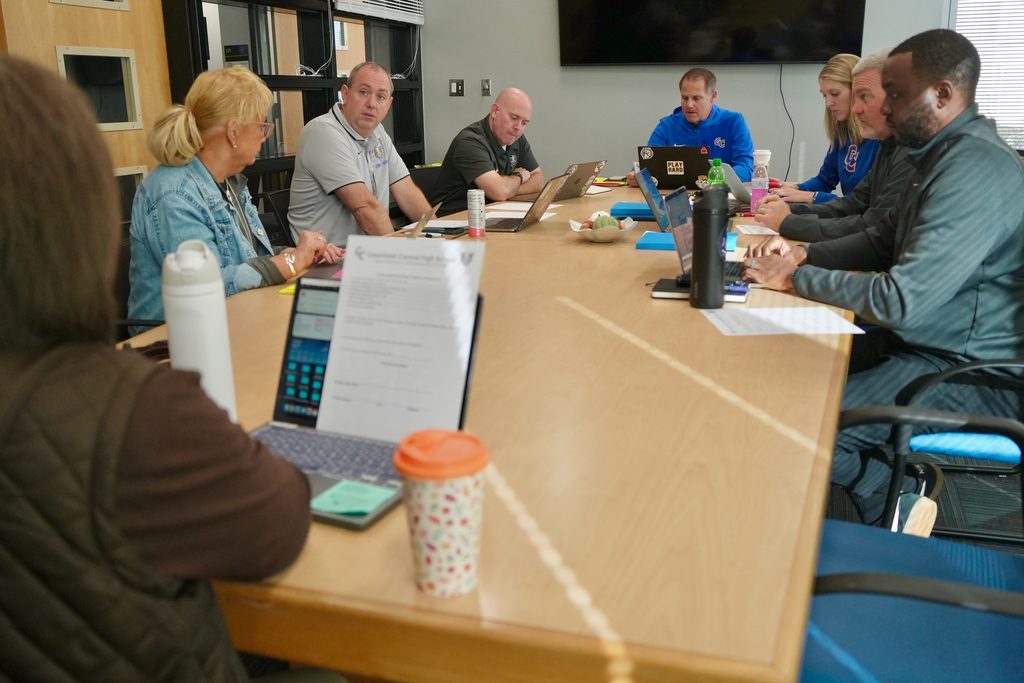
Teachers are coming up with new ways to engage students; there are proactive programs to help at-risk reach their goals; and counselors are dedicated to personally meeting with students and families.
While the 95.5% rate has yet to be certified through the state of Indiana, Greenfield-Central leaders are grateful for the upward trend.
“We are very proud of this historically high graduation rate,” said Dan Walbaum, principal of GCHS. “It is a credit to our students, families and the entire community.”
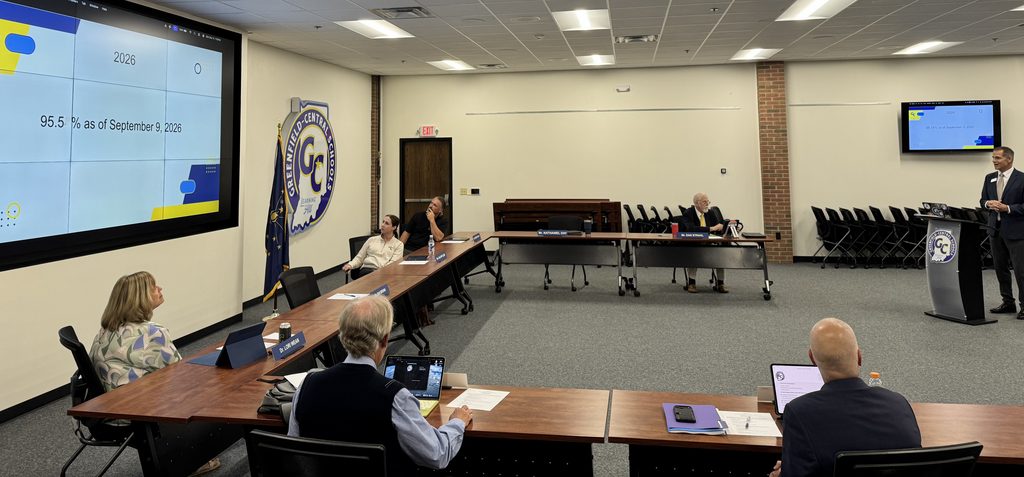
Walbaum presented statistics at the September meeting of the Greenfield-Central School Board.
The 2026 graduation rate is up three percentage points from 2025, and well above the rate two decades ago.
And with new graduation requirements in place for this year’s sophomores and freshmen, Walbaum is hopeful his team will continue to meet the needs of students– from at-risk to high ability– and continue to have a strong graduation rate well into the future.
Support for at-risk students
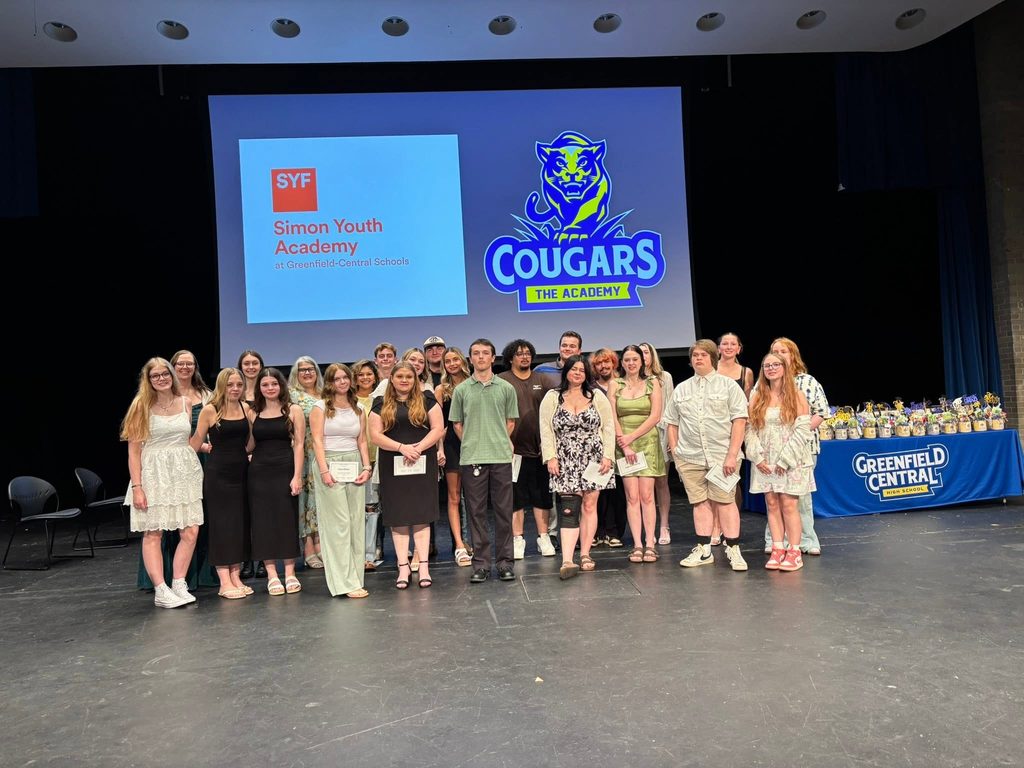
The GCHS graduation rate has been trending upward over the last two decades but especially so in the last few years. There are several reasons for the success, Walbaum shared. The mindset across all of Greenfield-Central’s schools plays a part: from pre-kindergarten through twelfth grade, GC teachers are dedicated to students.
Looking at the high school level, Walbaum points to excellent teachers; families being involved in their students’ education; and regular meetings to help students who are at risk of dropping out of school.
The Academy is designed as a place for GC students to attend if the traditional high school setting isn’t working for them. Located in the Educational Services Building just south of the high school, students attend The Academy to finish up on credits they fell behind on.
The Academy launched 11 years ago, and continues to be a place where 30-50 students graduate annually with individualized help from two teachers.
But before students are even approached to try The Academy, GC counselors and administrators are keeping an eye on who needs the most help.
“A caring staff is immeasurably helpful,” Walbaum said. “The best example of our proactive approach is the set of meetings for each cohort of at-risk students. We work to identify challenges, and make connections to help each student be successful.”
Student and family-focused
A personalized approach is also at the heart of GC’s success story.
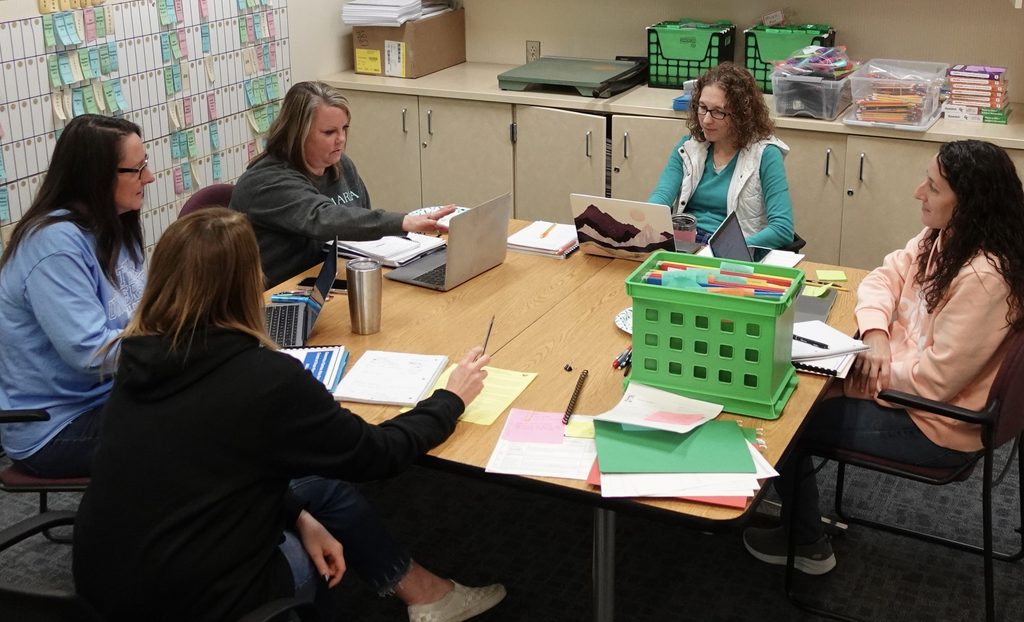
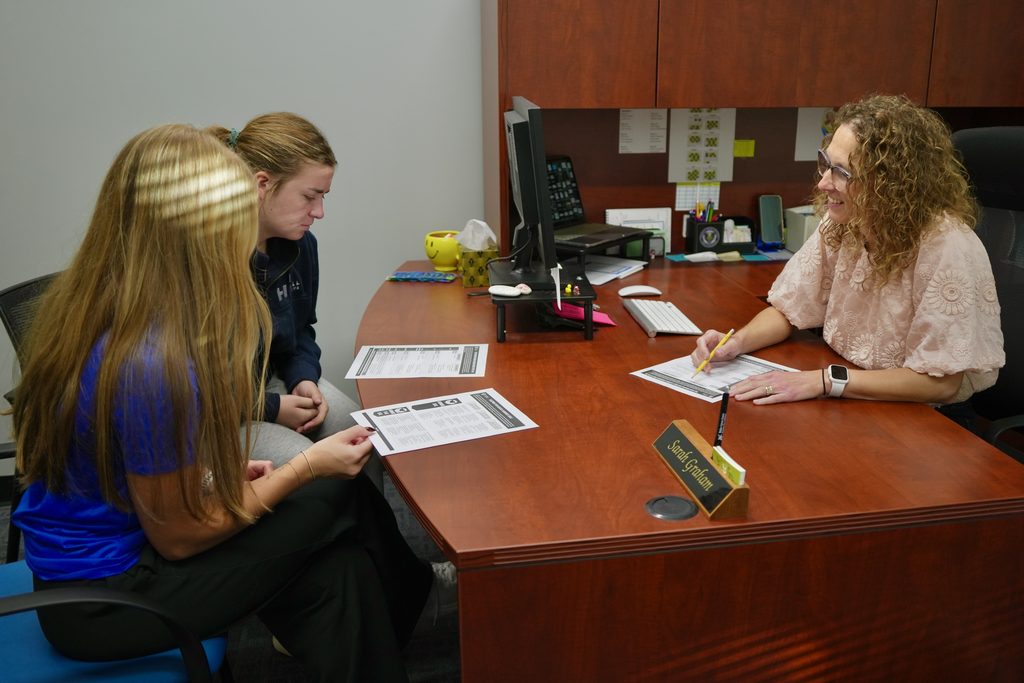
GC’s guidance counselors know their students personally. Each winter, eighth grade students and their families meet individually with GC counselors so they understand high school expectations and together set schedules and goals.
Sarah Graham, director of counseling at GCHS, says this has been a longstanding GC tradition to meet with incoming freshmen. They suggest eighth graders set their schedule, but then parents join in.
“Kids are kids– we want them to make decisions, but when you’re an incoming freshman, you’re coming to a new building, you have a new schedule and we value the parents’ input,” Graham said. “It’s a team effort to get them on the best path as freshmen.”
The collaborative approach goes well beyond academics. Since families meet with one of the four counselors as eighth graders, they have a nearly five years of a relationship with someone on staff. Families are more likely to be able to open up about problems in the classroom, situations at home, and how the GCHS staff can help their students.
New diplomas on the horizon
These days, Graham and her staff are even more busy.
It’s a time of transition for Indiana high schools: the Indiana Department of Education announced new diploma requirements.
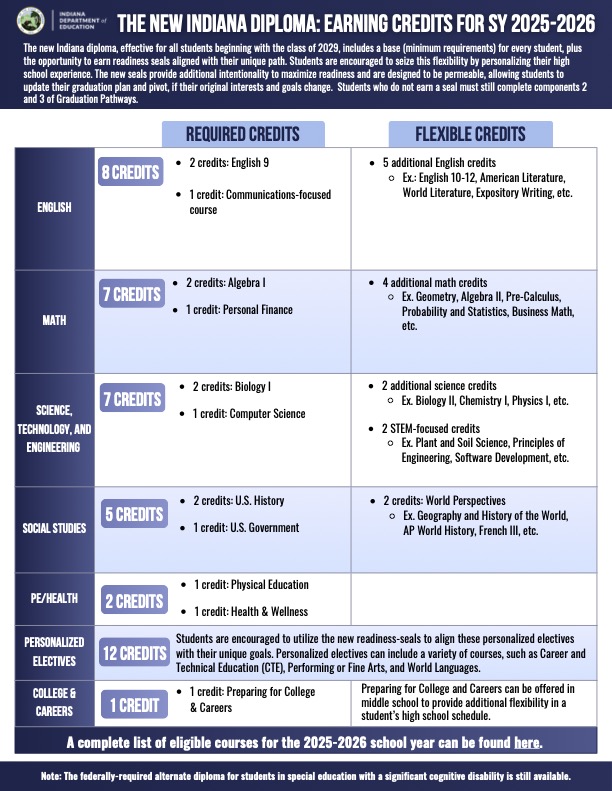
Starting with the Class of 2029– this year’s sophomores– “The New Indiana Diploma” is in place. It’s a mix of the current Core 40 requirements that this year’s juniors and seniors are aiming for, alongside the opportunity to earn readiness seals for different paths.
The new diploma is intended to open up doors for job experiences and college exposure. Students are encouraged to embrace flexibility and personalize their high school experience, according to the IDOE.
When explaining the new concept to families of freshmen and sophomores, Graham says it’s a bit easier to understand if it’s called “Core 42.” The diploma requires a minimum of 42 credits, and this includes 12 personalized elective credits that students can use toward their unique goals.
“We’ve tried to make a framework that most students will follow, knowing there’s flexibility,” she said. “Each student is still an individual; we still have flexibility.”
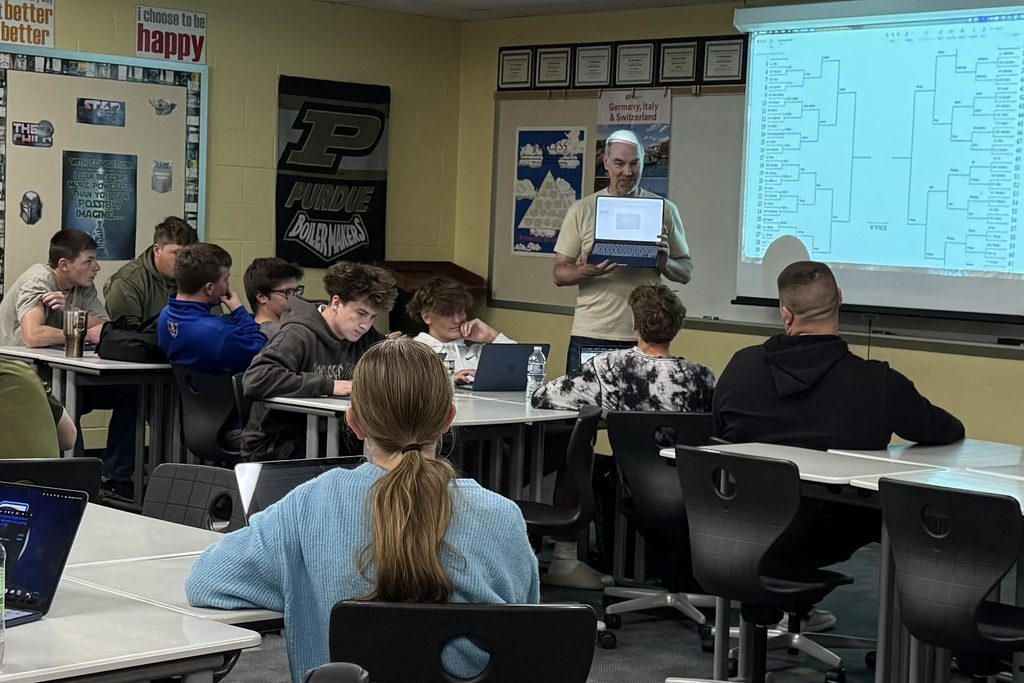
GCHS already had most of the classes and experiences in place to meet the new graduation requirements, but there has also been creativity in the changes.
The English department, for example, added electives based on what students might be interested in. There’s Horror Literature, Dystopian Literature, Short Stories, True Crime and Honors World Literature.
Brent Oliver, department chair, said English 10 was changed to a semester of speech and a semester of American Literature. The lineup offers creative choices for students of all interests, and includes long-standing favorite courses such as Sports and Society, Science Fiction, Epic Heroes, and Film Literature.
“Students have really appreciated the opportunity to take a class in something they already have an interest in,” Oliver said. “If it’s something they enjoy, they are always more likely to pay attention and complete the work, which certainly helps them earn credits to get to graduation.”
Seals for the future
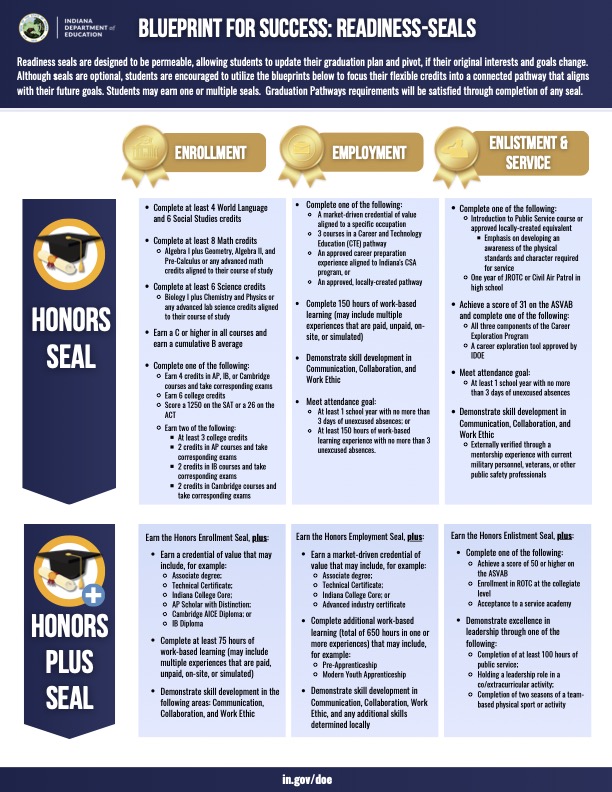
The new graduation requirements also encourage students to earn honors seals, based on the type of pathway they choose.
The “Enrollment Seal,” for example, is similar to the current academic honors diploma and encourages students along the path to college.
There’s an “Enlistment and Service Seal” for those focused on joining the armed forces.
There’s also an “Employment Seal,” which has students completing work-based learning in career and technical education.
Each seal has an additional “Honors Plus” opportunity, for students demonstrating excellence and doing additional coursework or work-based learning through apprenticeships.
GCHS has a goal that every student graduates with a seal on their diploma.
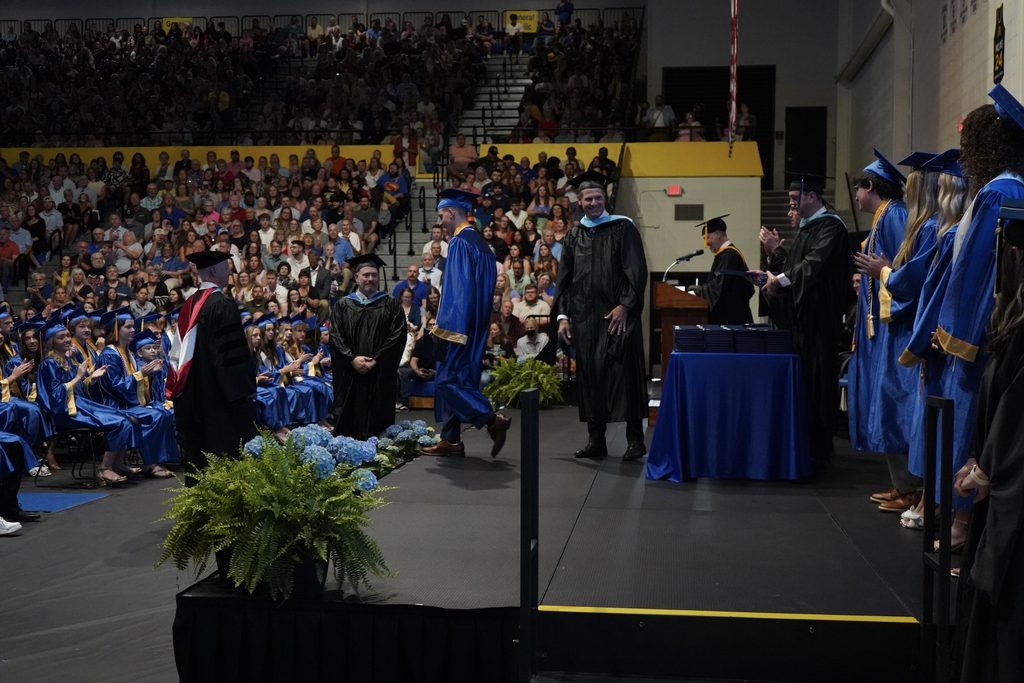
Walbaum said his team is reasonably hopeful that GCHS can maintain its strong 95% graduation rate, but it’s equally important that the diploma is meaningful and students are prepared for enrollment in college; employment in the workforce; or enlistment in the military.
He gives a lot of credit to Mrs. Graham and her team for their hard work and expertise. It is a challenging time with learning new diploma requirements and helping students and their families understand where they will be most successful. The individualized approach of meeting with students and their families has proven successful for GCHS.
“This is a significant challenge for a school of our size, but the individual attention before students set foot in the high school is beneficial,” Walbaum said. “We know students will grow and their interests may change, but they will be prepared for many different paths throughout their high school career.”
GC Superintendent Dr. Harold Olin said the September school board meeting in which the graduation rate was announced and the new diploma requirements were discussed was eye-opening.
“We are incredibly blessed to have such a great leadership team at GCHS to keep up with all of this,” he said, adding that the 95% graduation rate is an incredible accomplishment for students and staff. “This increased mark is a result of a lot of hard work and perseverance.”
Olin said in the future, rates will fluctuate from year to year but the staff commitment to students will not waver. He is grateful for the school’s ability to meet with students and families individually, and to teachers for coming up with creative ways to meet the needs and interests of each individual.
“GCHS will continue to offer a broad array of classes for our students in an effort to help all students find their area of great interest,” Olin said. “This individualized approach with students and families starts with our students well before high school, and the high school counselors do a great job of checking in with students throughout their four-year high school journey.”
By Maribeth Vaughn