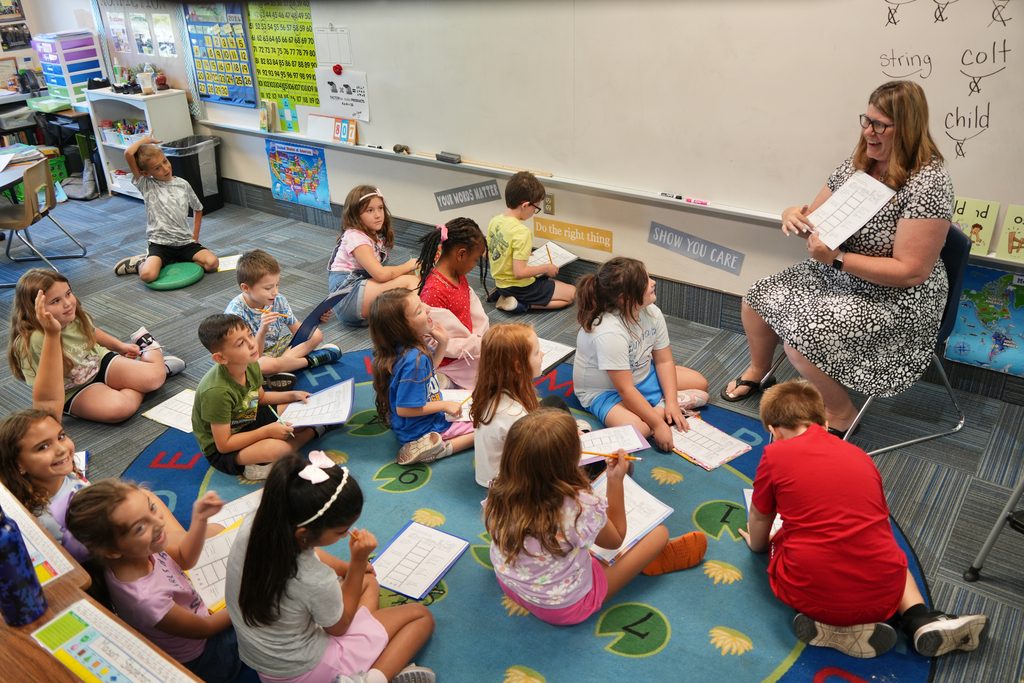
The neon green shorts of a second grader wiggled in the seat. The student tried with all of his might to focus on the lesson about the book “Leaves.”
Weston Elementary teacher Krista Bridenthal pauses her lesson for just a moment, steps over and says calmly, quietly: “I want you to focus your very best– show your very best.”
Bridenthal is one example of the many Greenfield-Central teachers that are making a difference in the lives of their students by instilling a love for reading while reaching their academic goals. Greenfield-Central teachers meet students where they are, pivoting and adjusting to ensure each child loves to read and achieves the goal of passing the IREAD test.
GC is celebrating the highest IREAD scores in a decade. While the 2026 passing rate– 94.9%– is certainly a high achievement, a personal approach to help children understand and keep reading fun is at the core of Greenfield-Central’s approach.
Bridenthal, for example, took time last week to teach students about how to read all of the answers to a test before selecting; and how to “slash the trash” when it comes to answers that make no sense.
A book about leaves, for example, would have nothing to do with a multiple choice answer about tacos.
She tells the students that back when she was in second grade, she remembers getting answers wrong.
“I wanted to show my teacher how fast I could finish my test and I didn’t read all my choices,” she said.
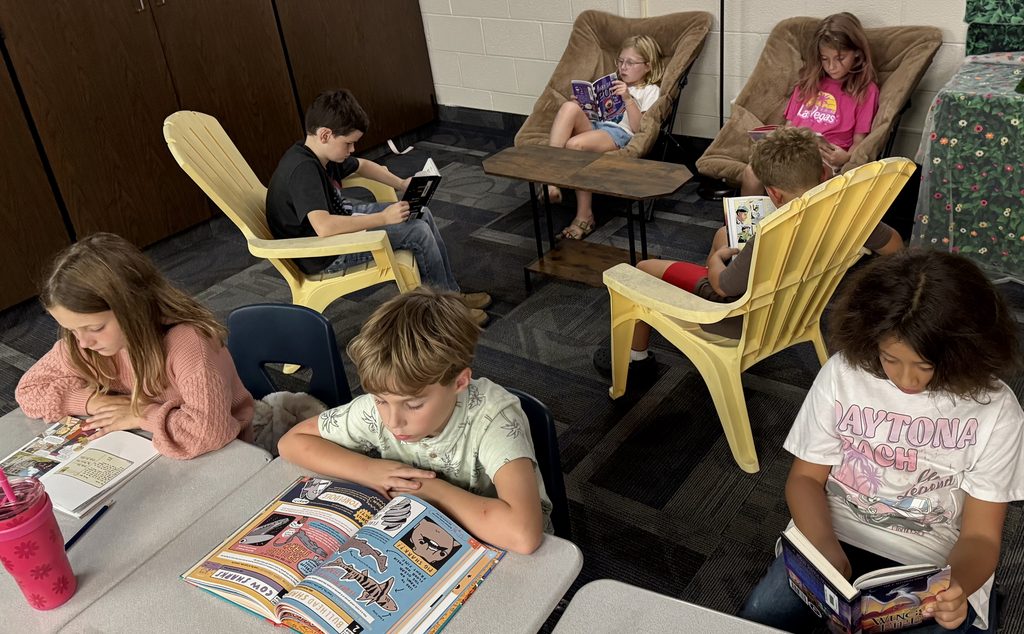
With a personal story and a caring heart, Bridenthal is one of many GC teachers that strikes a balance of encouraging students to show their best work on a test, while also keeping reading fun and exciting. She tells them that by the end of the school year– when they take the IREAD – they should feel proud about how far they’ve come.
After the lesson, Bridenthal shared that she was extremely pleased with Weston Elementary’s IREAD passing rate. But it wasn’t necessarily the number she was proud of.
Rather, she knows each child by name, their challenges, their goals and how hard they worked to reach their potential.
“It’s so rewarding to know how far they’ve grown,” she said. “You of course want them to pass the test and get good scores, but if they’re a fluent reader and are excited about reaching a personal goal, that’s more important in the long run.”
Large groups, small groups all link to a personal approach
The IREAD is Indiana’s standard for showing literacy by the end of the third grade. Indiana has a statewide goal that 95% of third grade students can read by 2027, and teachers have been focusing on the science of reading: how phonics, fluency, vocabulary and comprehension helps children become proficient readers and writers.
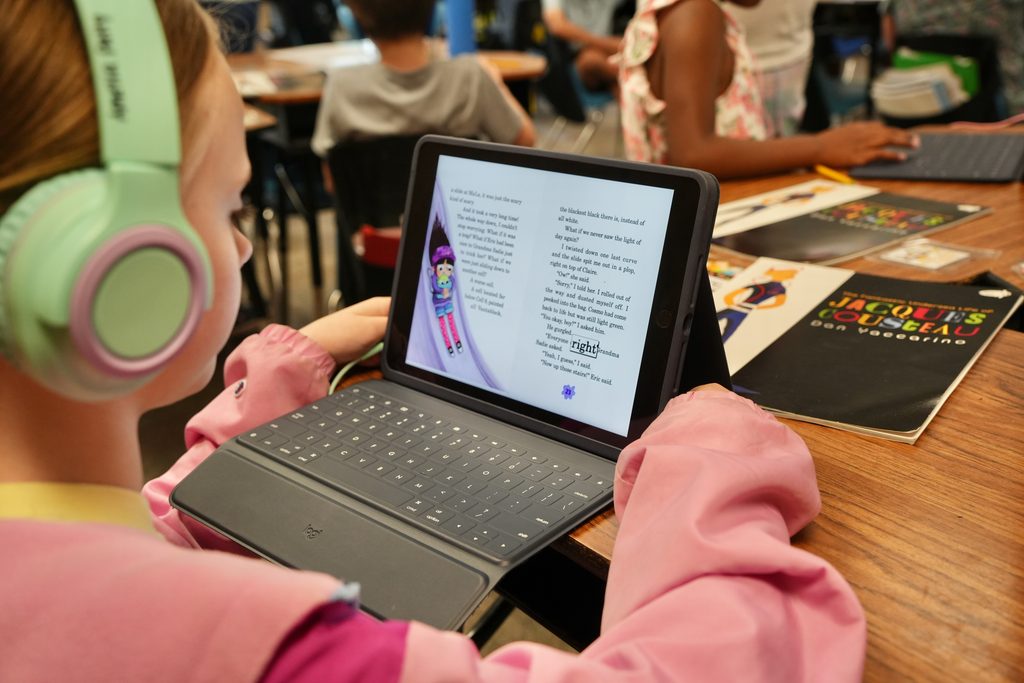
Broken down by school building, Harris Elementary received an 88.5% passing rate; J.B. Stephens, 94.5%, Weston Elementary, 96.6%; and Eden Elementary, 100%.
GC tied for the highest corporation-wide passing rate in Hancock County. Statewide, the average passing rate was 88.7%.
GC elementary schools monitor progress of reading skills from kindergarten all the way through third grade and beyond. They use a combination of large group instruction time, small group periods, and even reading interventionists that help those who are struggling the most to ensure children are able to read and understand what they’re reading by the third grade.
Weston Principal Scott Miller says the impressive IREAD results are the direct reflection of students’ hard work and resilience, as well as teachers’ tireless commitment to meeting every child where they are.
GC strikes a balance between making reading fun by prioritizing authentic engagement over rigid evaluation, Miller explains. Teachers help students respect the IREAD assessment without letting anxiety drive their performance.
“Teachers truly caring for each student is vital because it creates a warm, supportive environment where children feel understood, valued, and safe to grow at their own pace,” Miller said. “Beyond test scores and numbers, teachers actively see students for who they are by adapting to their individual learning styles, tracking their unique interests, and focusing on their emotional and social development. When helping students pass the IREAD, teachers deliver a personalized approach by tailoring early literacy and phonics instruction to meet each child right where they are, setting individualized learning goals in partnership with families to guide every reader toward success.”
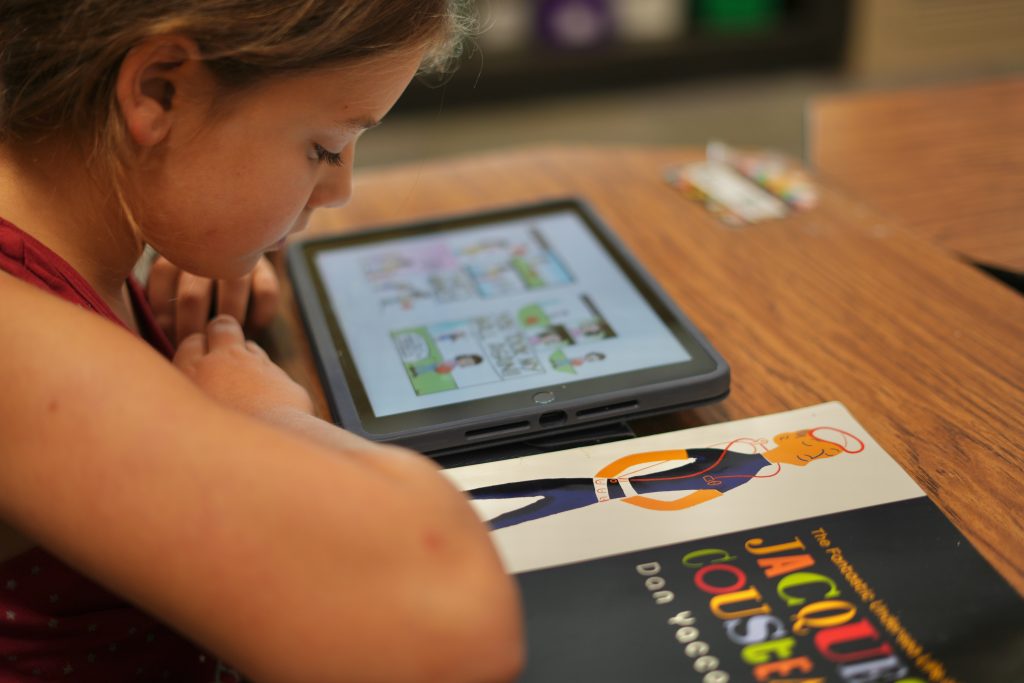
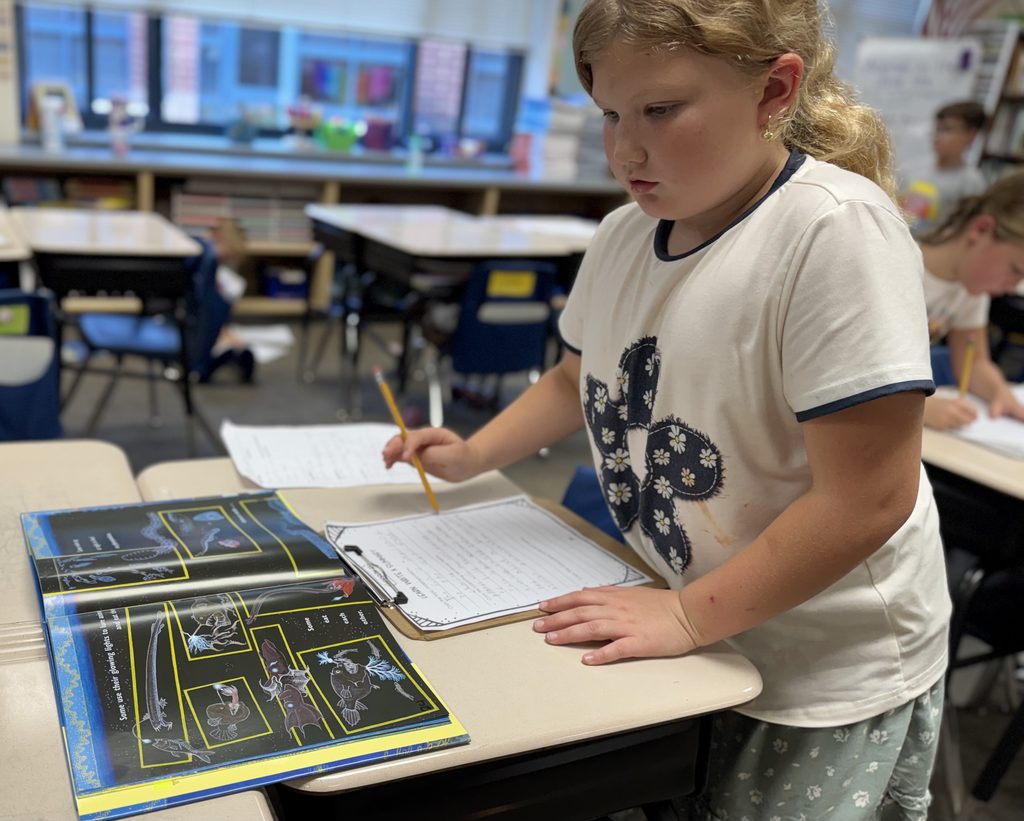
Across the hall at Weston, Brianna Bechbuhl’s third grade students have been navigating the deep sea. They pulled out their lined papers and followed a prompt from the white board, writing a paragraph about how Jacques Cousteau explored.
It’s these kinds of moments that build the foundation for success throughout the school year, Brechbuhl explained. They read, and then take time to understand the text and show their teacher how much they know.
The 2026 IREAD pass rate touched Brechbuhl’s heart: she spent time every day last school year with a group of nine third graders that needed extra time working on comprehension. While they scored well in phonics and fluency, they didn’t pass the IREAD as second graders and needed help going back over the text and understanding it.
By March, eight of the nine students had passed their IREAD test. By May, the ninth student re-took the test and also passed it. Brechbuhl said it felt wonderful to know that her students she had worked with all year had reached their goal.
‘Learning for all’ at the core of GC
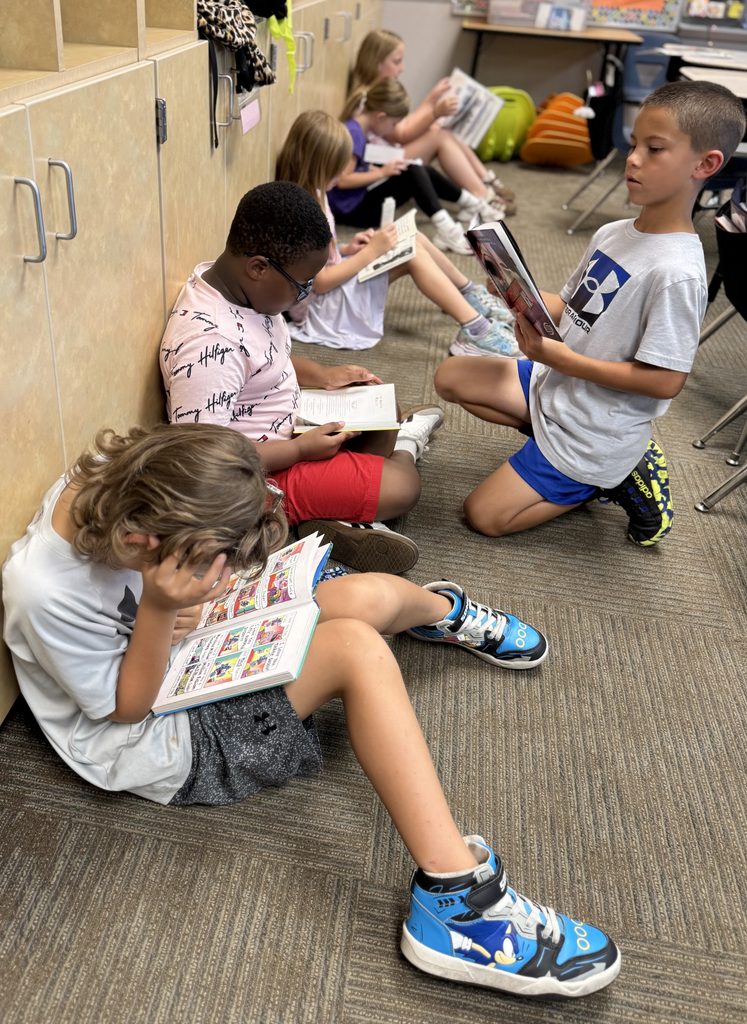
Staff has worked hard to find many ways to support students’ foundational reading skills, says Superintendent Dr. Harold Olin. Seeing historically high marks on the IREAD for second- and third-grade students was a real encouragement.
Still, reading should be fun, Olin said, and an opportunity to learn about the things kids are truly interested in. Teachers do a great job helping students see the IREAD test as just one opportunity to show what they know about reading.
“In GC, we constantly fixate on the words, ‘learning for all,’” Olin said. “We understand that it is our responsibility to enrich all students in our schools. Staying true to this mantra, our teachers and staff regularly insert opportunities for personalized learning for all students.”
Tests are important to understand where children are with their reading skills, said Dr. Devon Marine, director of elementary education. But school is still interactive, full of caring adults that want to see children succeed.
GC elementary schools incorporate fun with learning. “Success groups” set children in groups of their peers– high ability children work together to read challenging materials, while other groups are designed for children with a greater need to learn phonics or comprehension.
Children who need additional help see reading interventionists, available since GC is a Title 1 school district.
Three years ago, GC opted to start testing second graders with the IREAD-3 test– an opportunity the state opened up to let schools see which children need extra help by the third grade. Now, the Indiana Department of Education requires all Indiana schools to test students with IREAD-3 in second grade.
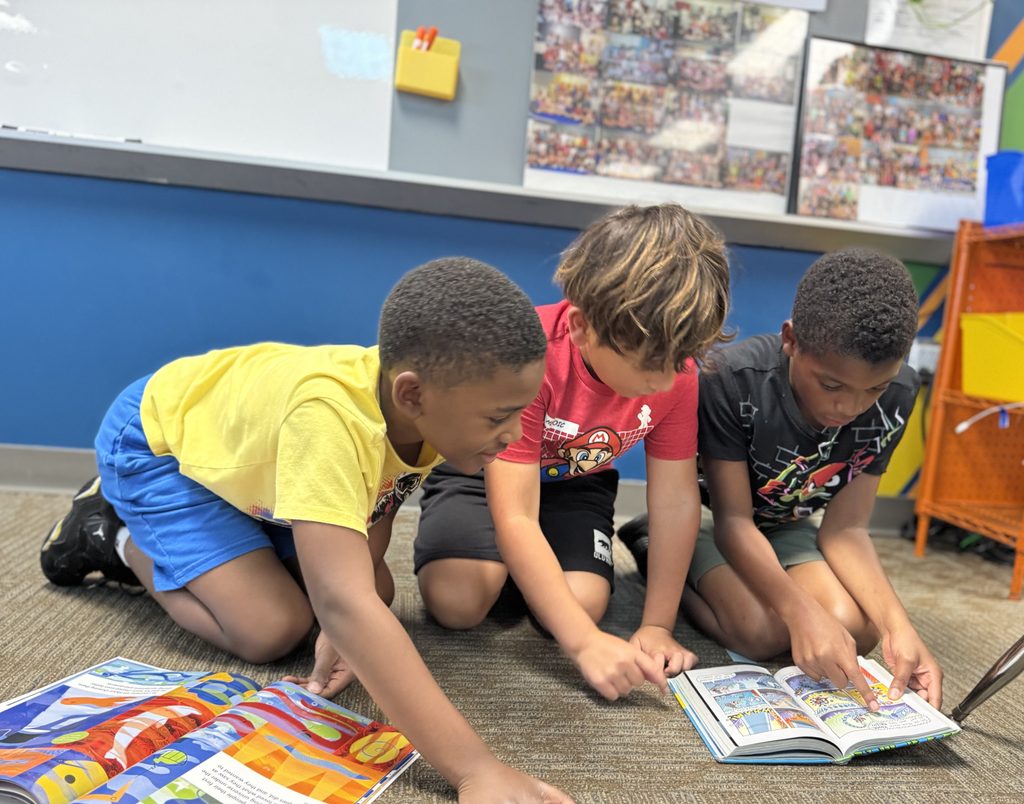
It helps the GC community figure out which students need the extra help. Getting some children across the finish line in second grade takes out some of the guesswork on where third graders stand the following year. That’s where smaller success groups come into play.
The two-week summer school program has highly-qualified teachers tailoring literacy instruction to meet the needs of each individual student, Marine said.
Second and third graders who did not pass the IREAD are also invited to a summer school program called “GC Reads!”
GC has a sustained, district-wide focus on early literacy and a commitment to improving the quality of instruction in its elementary schools.
“A personal approach makes a tremendous difference for students,” Marine said. “While data helps us understand how students are performing academically, it doesn’t always capture the relationships that help students get there. Our extremely caring staff works hard to get to know the strengths, interests, and challenges of each student. The relationships our teachers build with students create the foundation that allows good instruction to occur.”
By Maribeth Vaughn
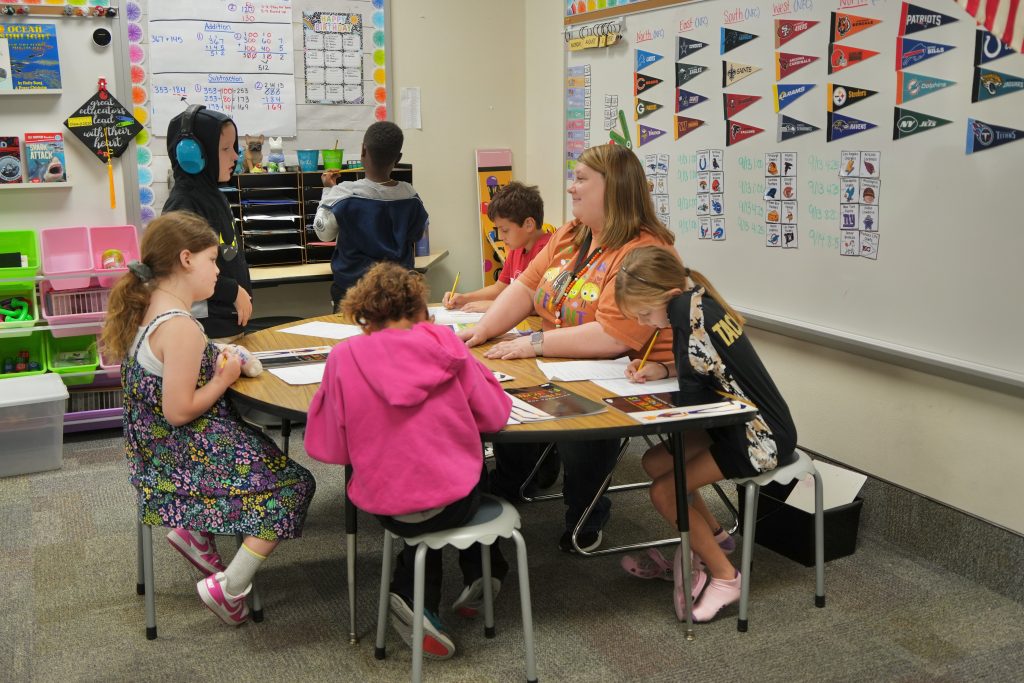
Brianna Bechbuhl’s third grade students have been exploring the deep sea with her guidance and support. (Picture taken by GCHS Seniors Abbie Winger and Josh Gordon)